Mastering the Big 3 of Backpacking Gear: Essential Tips for Your Next Adventure
Table of Contents
What is the Big 3 of Backpacking Anyway?
The Big 3 in backpacking refers to the heaviest items: shelter, backpack, and sleep system. A sleep system might include a sleeping bag or quilt, a sleeping pad, and optional items like a pillow or liner.
Importance of Choosing the Right Gear for a Successful Trip
Selecting the right Big 3 gear is crucial for a safe and enjoyable trip. Factors to consider include solo or group travel, the difficulty of the itinerary, expected weather, and comfort levels. Ultimately, the ‘right answer’ of which gear to choose is up to you. That is a fun but often paralyzing part of the process. I’m here to help!
Learning from Personal Experience
With years of backpacking experience, from Boy Scouts to solo and family trips, I’ve learned the importance of the right Big 3.Often, these lessons are learned through research and planning, but mostly through experience — that is, mistakes in the field.Here’s an overview of my minimalist, solo backpacking gear kit.
Note: Much of the gear I will share here is considered ultralight backpacking gear. Choosing to travel with most ultralight gear comes with certain caveats. Read more about Choosing Ultralight Backpacking Gear, it’s definitely a give-and-take relationship.
Shelter
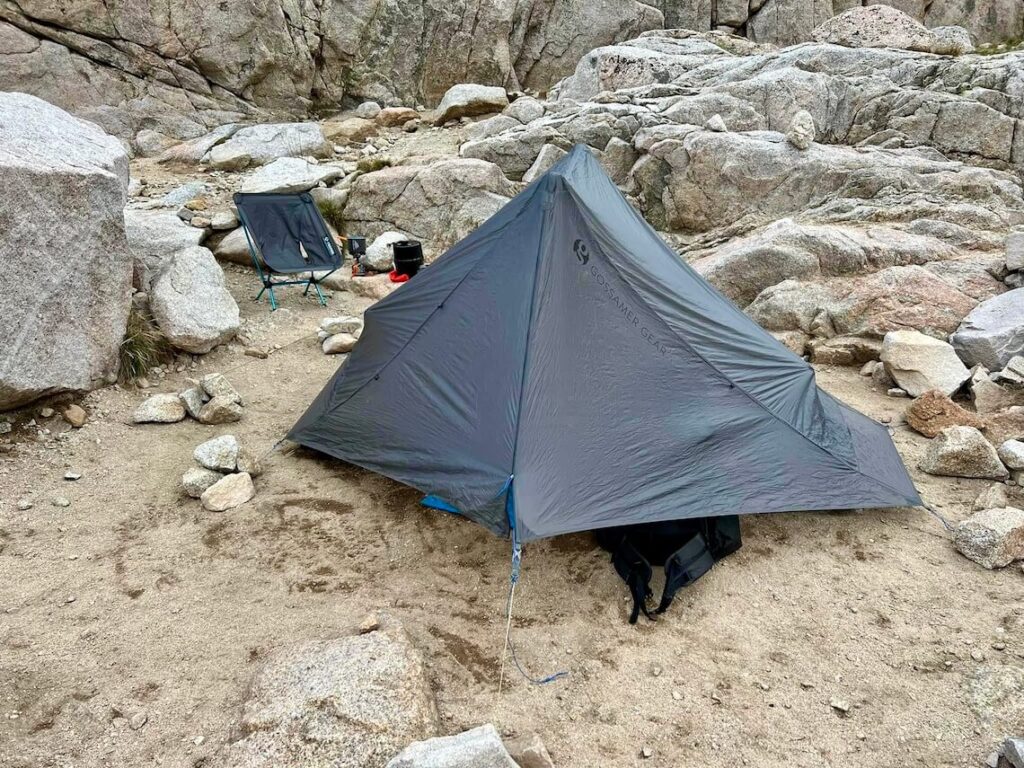
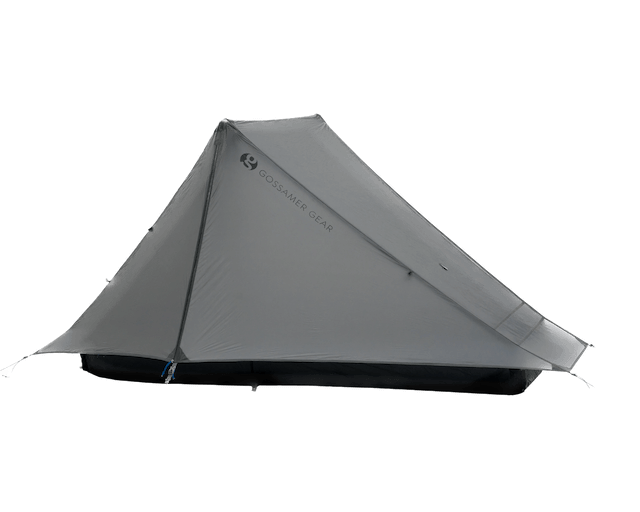
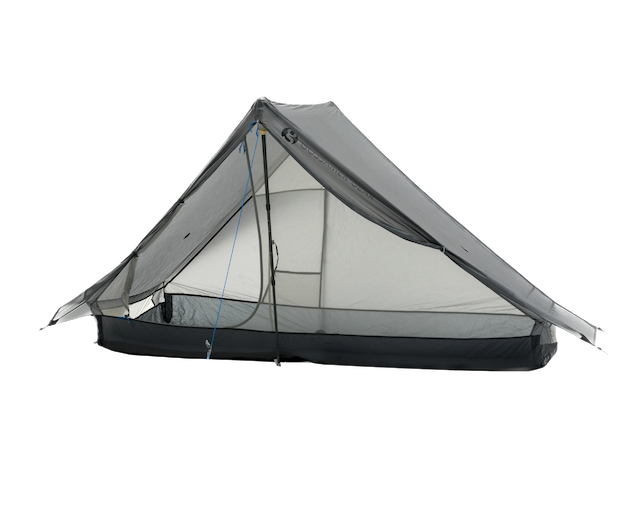
Choosing a shelter is like picking a car: rugged and heavy SUV, light and fast yet finicky sports car, or reliable economy car. As you may have guessed, I often opt for the sports car! For example, on my 2-day solo ascent of Mount Whitney, I used the Gossamer Gear The One, a 1-person backpacking tent weighing just 17.7 oz. It’s set up with trekking poles, and is reasonably priced for a tent in this category at $255.
Why it's great:
Ultralight
Durable
Spacious - UL 1P tent
Large Single Vestibule
Reasonable price (for a UL tent)
Limitations:
Single Wall (prone to condensation)
Requires 2 Trekking Poles
Silnylon (can sag when wet)
Pitch (Requires more careful pitching vs. free-standing tents)
Sleep System
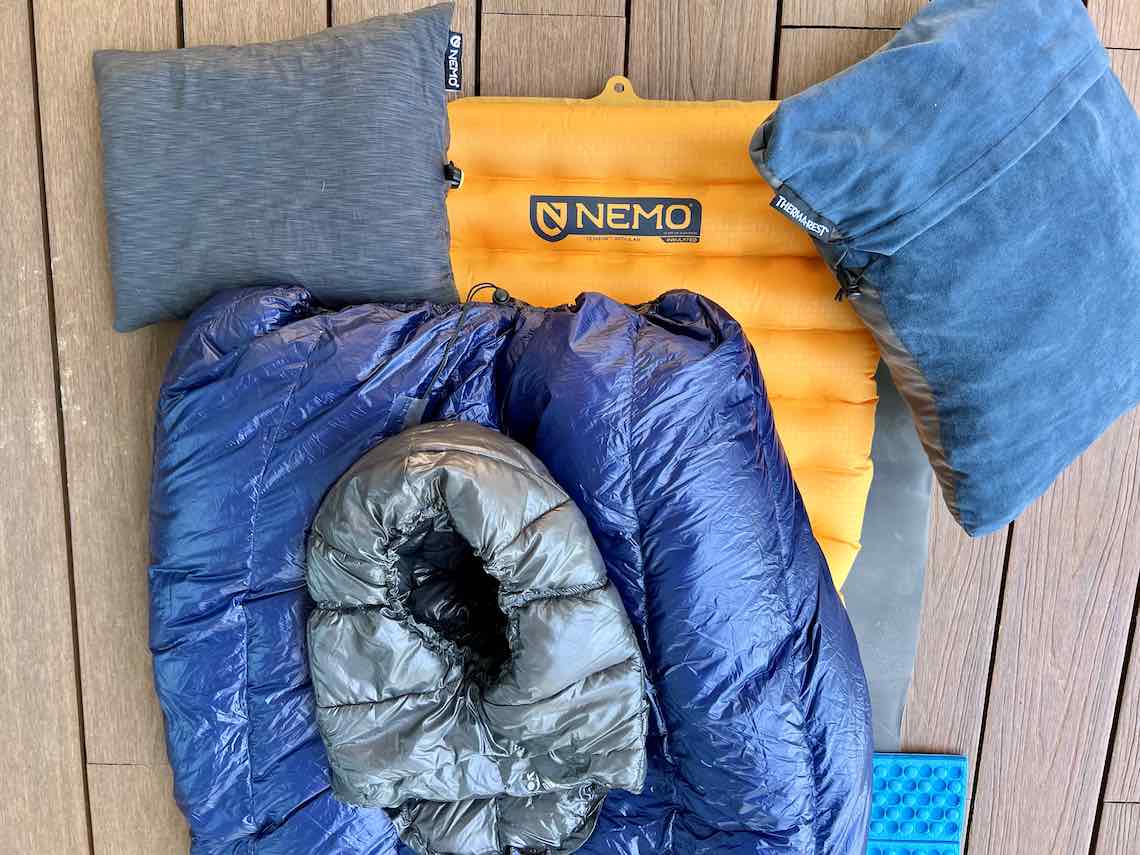
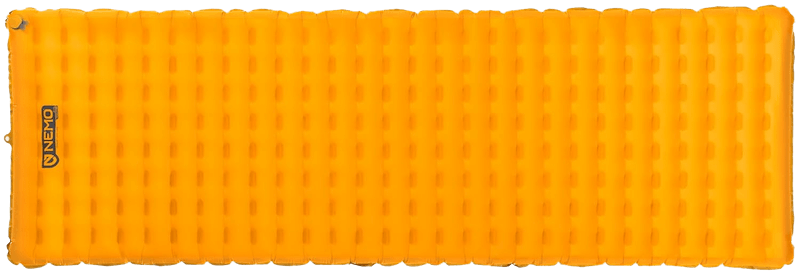
Essential ultralight sleep system: Nemo Tensor pad, Enlightened Equipment quilt, and compact comfort gear for backpacking adventures
A sleep system includes everything needed for a comfortable, warm night of sleep. But choosing a backpacking quilt vs. sleeping bag may require additional consideration.In the truest sense of the phrase, a ‘sleep system’ only needs to be a sleeping bag and a pad. Here is my setup for Mount Whitney:
Enlightened Equipment Revelation Quilt: 850 fill power down, 23.4 oz.
NEMO Tensor Ultralight Pad: 4.2 R-value, 21 oz.
OPTIONAL
Gossamer Gear Thinlight Foam Pad: 1/8” thick, 2.7 oz.
Therm-a-Rest Compressible Pillow: 10.1 oz. OR
NEMO Fillo Elite Pillow: 3.0 oz.
Outdoor Vitals Lofttek Hybrid Balaclava/ Hood: 3.0 oz.
Silk Cocoon Mummy Liner: 4.7 oz.
Flextail Gear Tiny Pump: 2.8 oz. OR
NEMO Vortex Pump Sack: 2.1 oz.
Quilt
Why it's great:
Ultralight
Extreme warmth to weight of down feathers
Versatility: Use as a blanket on warm nights
Comfortable (for a quilt)
Limitations:
Quilts require careful set up to avoid drafts (vs. sleeping bag)
Durability: Lightweight fabrics need more careful handling
Down is susceptible to moisture
Neck cinch resides at the center of bag (can touch face)
Pad
Why it's great:
Quiet - No potato chip bag crinkling here!
Fairly light
Warm - 4.2 R-Value
Comfortable
Limitations:
Durability: Inflatable pads need more care than foam pads
Cost - Pads can be more expensive
Weight - There are definitely lighter pads on the market
Backpack
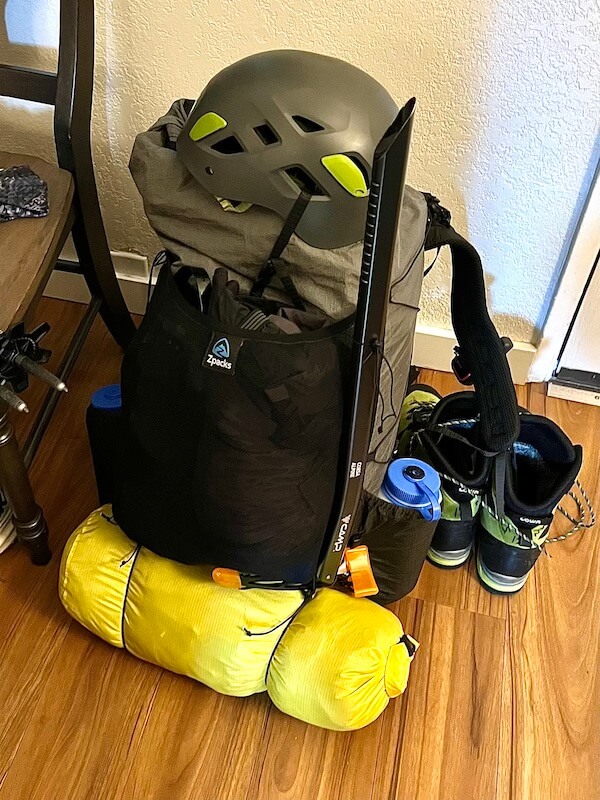
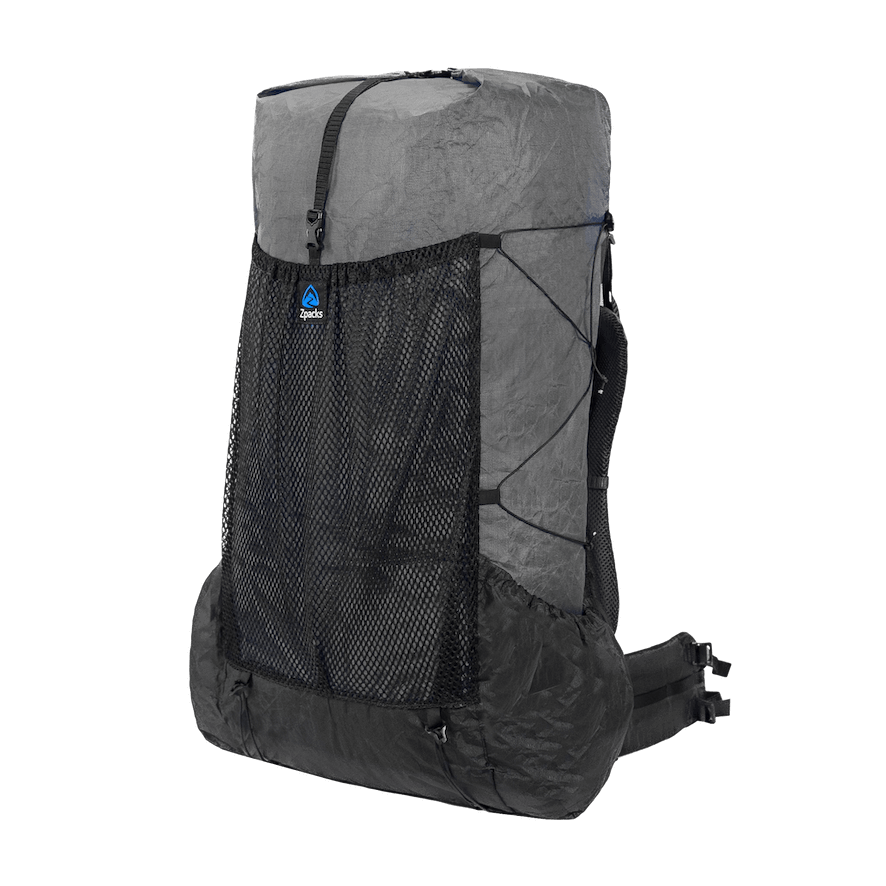
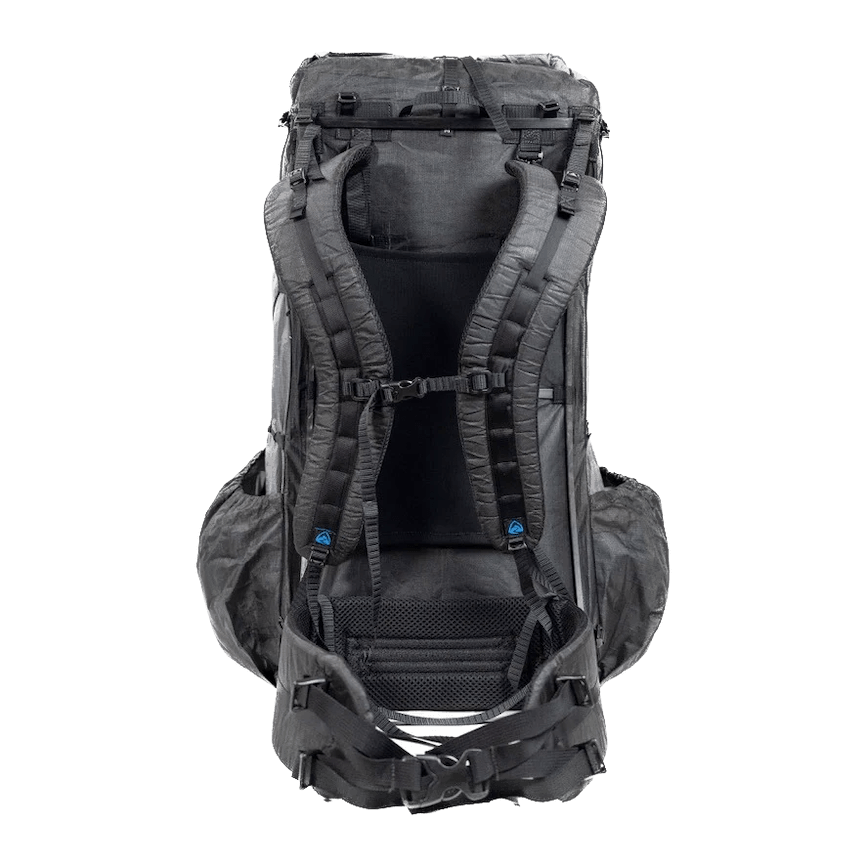
Although not specifically designed as a mountaineering backpack, my Zpacks Arc Haul Ultra 60 serves as a passable ultralight alternative to a dedicated mountaineering pack—provided its weight limits are respected. My 2-3 day mountaineering setup, however, truly pushes this pack to its limits.
Choosing a backpack involves considering cost, weight, capacity, durability, and comfort. I think there are more choices for backpacking backpacks than the number of steps I took on my last trip to Whitney! After much deliberation, I chose the Zpacks Arc Haul Ultra 60L(20.9 oz). It’s water-resistant, and I use a Nyloflume pack liner for extra moisture protection.
Why it's great:
Ultralight Unicorn: Frame and 40# Capacity
Comfort
Durable
High Capacity 60L
Water Resistant
Customizable
Limitations:
40-Pound Max Weight Capacity
Overloading Can Cause Discomfort and Wear
Minimalist Design Has Its Limits
Overloading can take the "arc" out of Arc Haul
Possible Creaks and Squeaks
Conclusion
Choosing the right Big 3—shelter, sleep system, and backpack—is key to a successful backpacking trip. The ultralight movement offers many options to fit different needs. By sharing my choices, I hope to help you make informed decisions for your next adventure. Remember, the right gear can make all the difference. Happy trails!