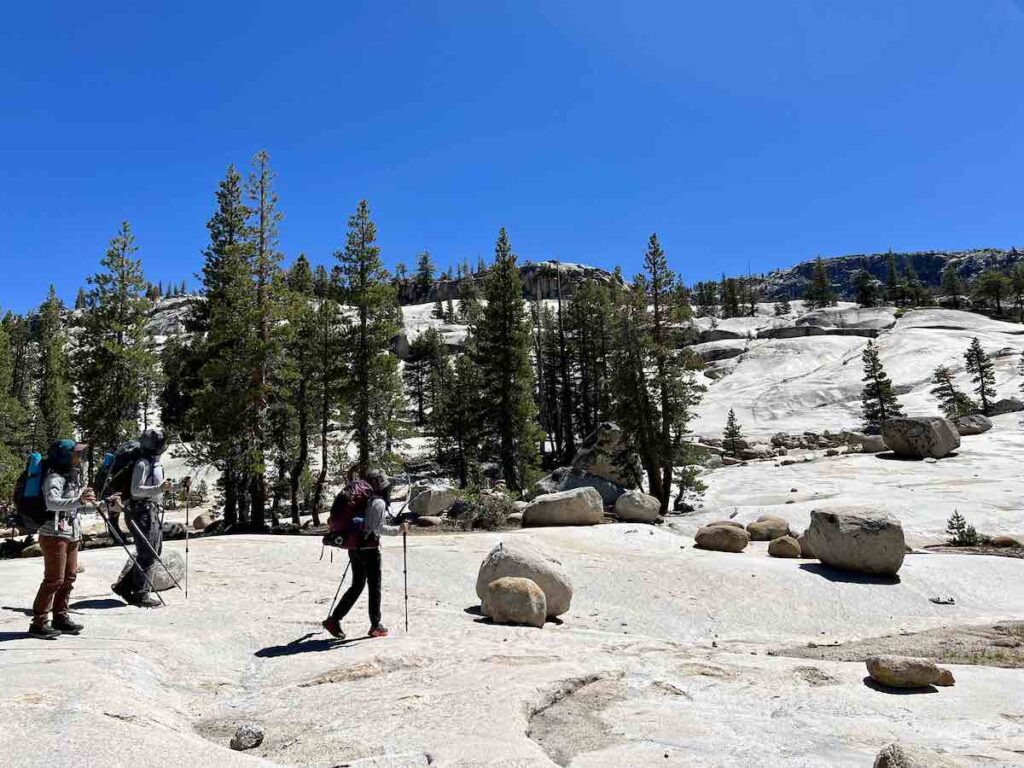
Finding the Sweet Spot [Part 1]: Ultralight Backpacking with an eye on Comfort and Safety

“There was a time when I believed my backpacking days were behind me. The surgery, the recovery, the limitations-they all pointed to the end. But then came a revelation; what if the solution wasn’t in fighting against my limitations, but in adapting to them? That’s when I discovered ultralight backpacking, a philosophy that changed everything.”
Table of Contents
Understanding the Essentials: What Ultralight Backpacking Really Means
In this two part guide, I’ll take you through my journey of embracing ultralight backpacking—a shift that not only allowed me to continue exploring the wilderness despite a major back surgery but also transformed the way I approach the outdoors. We’ll begin by breaking down what ultralight backpacking really means and the three main categories within it. Next, I’ll explore why it’s great as well as the limitations of this minimalist approach, including how it helped me overcome physical challenges and the unique difficulties I faced. I’ll also share my personal strategy for balancing comfort, safety, and weight, and finally, I’ll reveal why you might not need to rush out and buy all new gear right away. Whether you’re curious about ultralight backpacking or looking for ways to adapt your own backpacking kit, this guide is for you.
Why it's great:
- Travel Faster and Further
- Continue Backpacking Despite Physical Limitations
- Overcome Aging and Other Limitations
Limitations:
- Expense of UL Gear
- Durability
- Higher Learning Curve
- Risks of Minimalism
why It's Great
Travel Faster and Further
Ultralight backpacking generally refers to a base weight of 10 pounds or less. Base weight includes all the gear you’re carrying, minus consumables like food, water, and fuel, as well as the clothes and gear you’re wearing. Essentially, it’s everything that goes into your backpack, including the backpacking “big three”—your shelter, sleep system, and backpack—along with your cook system, extra clothing, and any other gear. Consumable weight can vary depending on the length and conditions of your trip, while worn weight covers everything on your body, such as boots, pants, a sun hoodie, trekking poles, sunglasses, a hat, and, of course, the trusty phone in your pocket.
There are three main categories of ultralight backpacking:
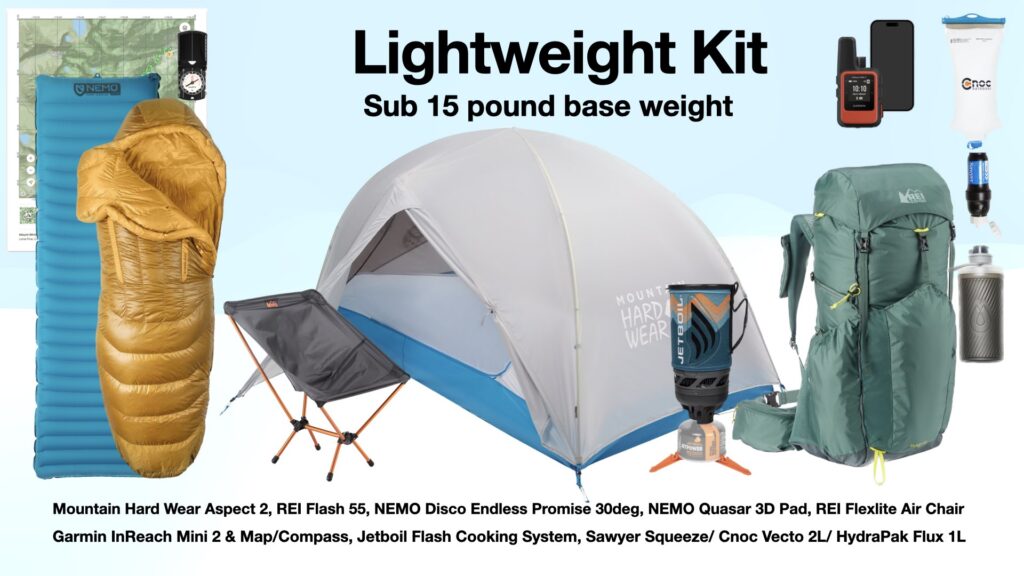
Lightweight Backpacking (sub 15 lbs): This approach typically involves making some thoughtful gear choices to reduce weight while maintaining a good balance of comfort and safety. For example, another great lightweight backpacking tent I own is the Mountain Hardware Aspect 2 (3 pounds) is a nice free standing, 3 season tent. Although it’s technically a 2 person backpacking tent many use this as a comfortable one person backpacking tent. Many hikers who are transitioning to ultralight practices or who want to keep some luxuries on the trail fall into this category. It’s a sweet spot for those who want to lighten their load without going to extremes.
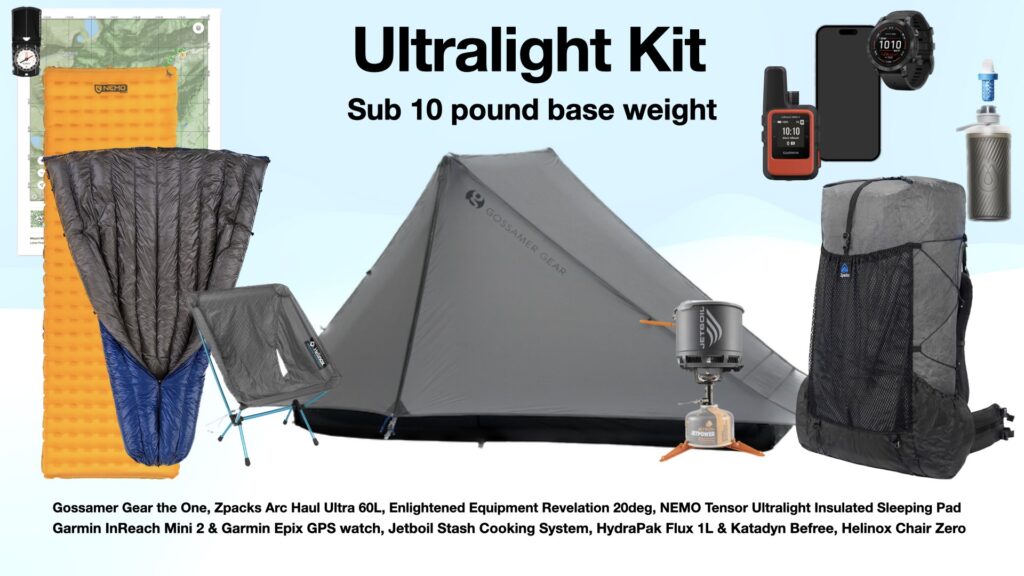
Ultralight Backpacking (sub 10 lbs): This is where the term “ultralight” truly comes into play. To achieve a base weight under 10 pounds, hikers often adopt specialized gear and embrace a minimalist mindset. This category requires a commitment to reducing weight wherever possible, often swapping traditional gear for lighter alternatives, such as quilts instead of sleeping bags or minimalist, sometimes frameless, backpacks. The result is a lighter pack that allows for faster, more efficient travel, but it also demands more careful planning and consideration.
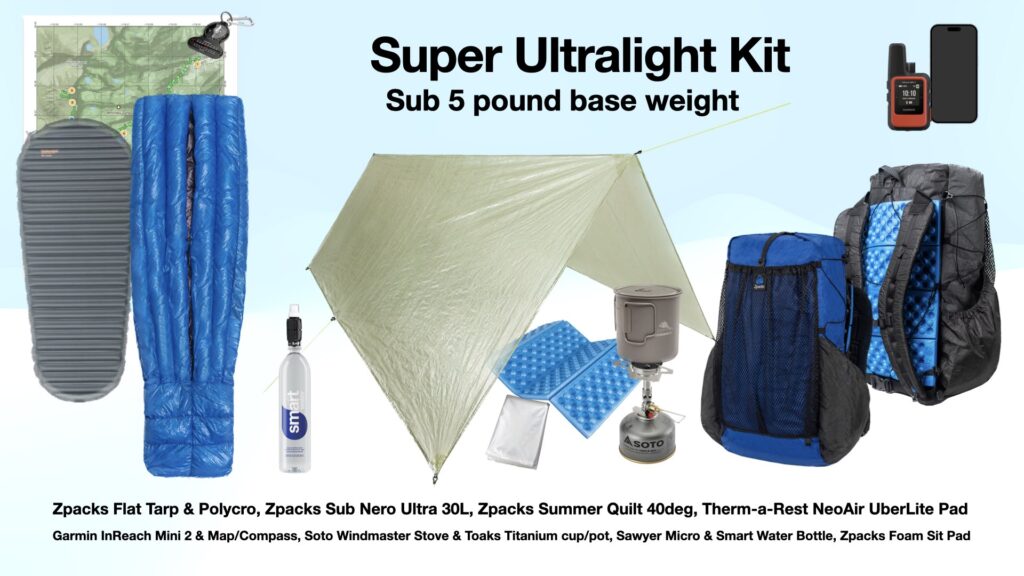
Super Ultralight Backpacking (sub 5 lbs): This is the extreme end of the spectrum and, frankly, not recommended for anyone but the most advanced hikers. As you might expect, super ultralight backpacking gear is minimal, and their ultralight backpacking checklist is the shortest you’ll find! Achieving a base weight under 5 pounds involves significant sacrifices in comfort, safety, and versatility. Super ultralighters often carry only the bare essentials, relying heavily on experience and skill to produce favorable outcomes.
For instance, instead of using an ultralight backpacking tent, they might sleep under a tarp suspended between two trees—often just a single sheet of Dyneema strung up with some nylon cordage and a Polycro ground sheet. I also use Polycro, which always conjures an image of extra-strength cellophane. Additionally, instead of a full-length backpacking sleeping pad, they may opt for a torso-length pad and use their pack under their legs and feet for insulation. Let me be clear—there’s nothing inherently wrong with using a torso-length pad and backpack extension; it’s simply an example of extremes some are willing to endure to cut weight. For me, the sacrifices super ultralight backpackers make generally exceed my personal tolerance for risk and discomfort, especially in unpredictable environments. While I admire and respect those in this group, particularly thru-hikers, I know that this approach simply isn’t for me.
I always keep Mark Twight’s alpine climbing and mountaineering adage ‘Fast is Safe’ in mind, especially in challenging or hazardous environments. The idea behind this mantra is that moving quickly and efficiently through potentially dangerous terrain can reduce exposure to risks, such as sudden weather changes, rockfall, or other environmental hazards. While I wouldn’t consider myself an extremely fast hiker, this heuristic reminds me to move as efficiently as possible through the mountains. It helps me cultivate a mindset that influences my gear selection, time management, and even the timing of my food and water intake.
Note: Much of the gear I will share here is considered ultralight backpacking gear. Choosing to travel with most ultralight gear comes with certain caveats. Read more about Choosing Ultralight Backpacking Gear, it’s definitely a give-and-take relationship.
Fast is Safe ~ Mark Twight
Continue Backpacking Despite Physical Limitations
I remember it like it was yesterday-2012, at the California Academy of Sciences in Golden Gate Park, San Francisco. I had to sit down every few minutes due to severe sciatic nerve-related numbness in my legs. It was in that moment that I decided enough was enough; it was time to get my back fixed. Fast forward two years: after a successful lumbar fusion and massive decompression surgery to remove bone spurs, I was finally on the road to recovery. The doctor told me it would take 9-12 months for the bone to fully fuse, though mine took 15 months. Even though I was now pain- and numbness-free, I still had doubts—would I ever be able to carry my 35-40-pound pack again? Enter ultralight backpacking gear. Over time, I realized not only was backpacking possible for me again, but I might even be able to attempt some of the bucket list trips I thought were off the table. Although I still wear a back brace (a modified Home Depot girdle with the shoulder straps cut off), I’ve been able to attempt bucket list hikes.
Limitations
Expense of UL Gear
One significant drawback of ultralight gear is that it’s generally more expensive than conventional backpacking gear. Dyneema Composite Fabric (DCF), Ultra fabric, titanium alloy, carbon fiber, and other lightweight yet relatively durable materials come with a higher price tag.
Note: While premium ultralight gear can be costly, there are more affordable alternatives available for those who are just starting out or looking to lighten their load without breaking the bank. These budget-friendly options might include items made from less expensive materials like polyester instead of Dyneema or aluminum instead of titanium. You might also find lower-cost UL gear from lesser-known brands.
However, it’s important to keep in mind that these cheaper alternatives may come with trade-offs in terms of durability and overall performance. Many hikers have successfully used budget gear to achieve a lighter pack, but it’s essential to thoroughly research and consider the potential limitations of these items before committing to them on a long or challenging trip. I always ask myself, “Could this gear get me through Gabrielino?”
As you’ll read in another post, I once went on a scouting trip where we were hit with a massive rain and wind storm overnight. All I will say is that my gear did not hold up to the elements, and much suffering ensued.
Durability issues
Although quality ultralight gear can be relative durable for this type of gear it pales in comparison to quality conventional weight gear. This reminds me of the light blue Ultra Heavy Coleman canvas palace my parents took me camping in that lasted 30 years. For the most part you must care for your gear in the field, clean it well after use, and properly store as it is far more susceptible to damage than conventional gear.
Higher Learning Curve
Some UL gear is not as intuitive as conventional gear to use and requires practice to use successfully. Backless and zipper less backpacking quilts and trekking pole tents come to mind. The ability to avoid drafts by positioning straps and insulating pad is a major skill when using a quilt vs just climb in a sleeping bag. Proper pitch and staking of trekking pole tents requires quite a bit more care and practice than their free standing counterparts.
Risks of Minimalism
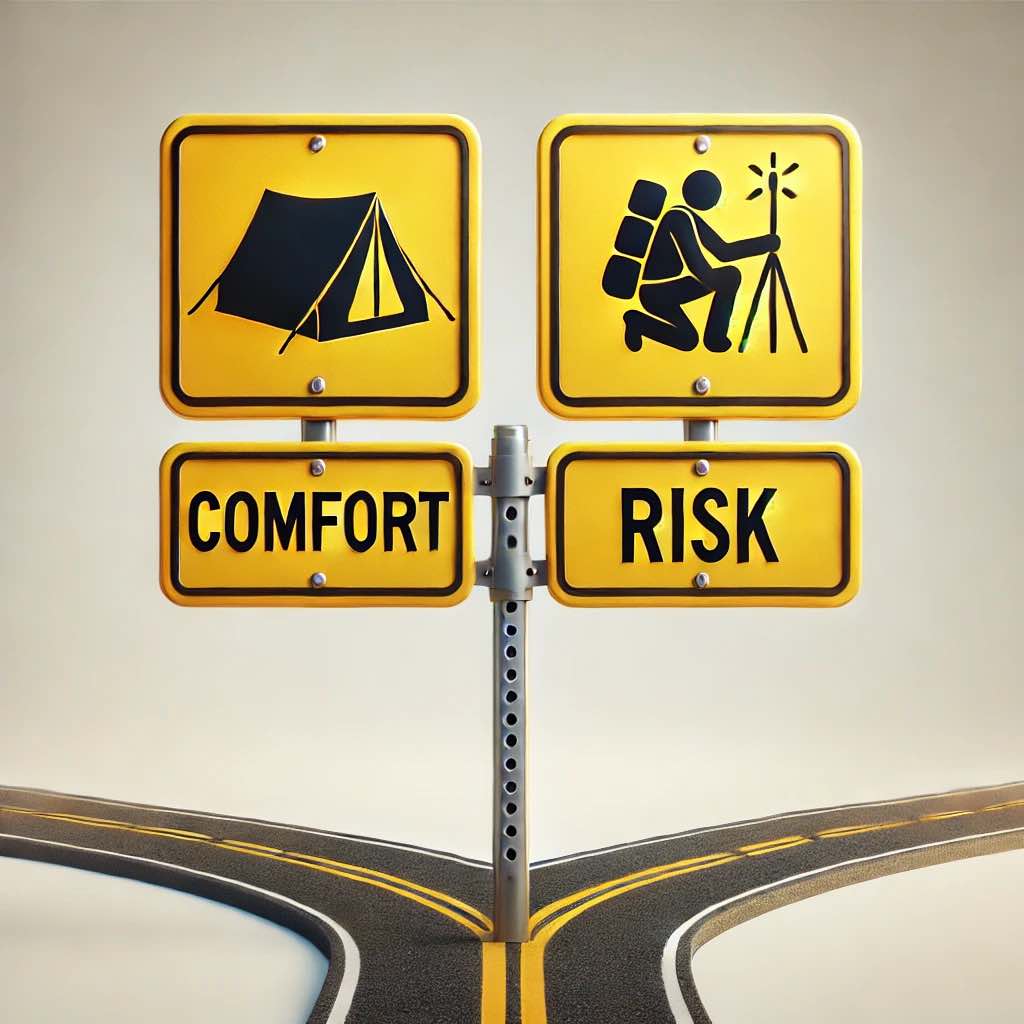
While the appeal of ultralight backpacking lies in its simplicity and reduced weight, there are inherent risks to carrying less gear. One of the primary concerns is inadequate clothing. In the mountains, weather conditions can change rapidly, and if you’re not prepared with enough layers or appropriate gear, you could find yourself dangerously exposed to the cold, wind, or rain. Similarly, minimal food supplies can become a serious issue if your trip takes longer than expected or if you get stuck on the trail due to unforeseen circumstances. The very nature of ultralight backpacking—carrying only the essentials—means that your margin for error is smaller. If something goes wrong, whether it’s a sudden storm, an injury, or simply a slower pace than anticipated, you may find yourself without the resources to manage the situation comfortably or safely.
Conclusion of Part 1
Ultralight backpacking is more than just reducing the weight on your back; it’s about enhancing your outdoor experience through thoughtful choices and a minimalist mindset. In this first part, we’ve explored what ultralight backpacking entails, including its definitions, categories, and the benefits that come with embracing a lighter pack. We also discussed some of the inherent challenges, particularly the financial investment required for premium gear.
However, as we’ve noted, there are more affordable alternatives available that can still help you achieve a lighter pack without breaking the bank. Whether you’re just starting out or refining your approach, the key is to carefully consider your gear choices and how they align with your specific needs and goals.
In Part 2, we’ll dive deeper into my personal approach to ultralight backpacking, exploring how I balance the desire for a lighter load with the need for comfort, safety, and a bit of luxury on the trail. We’ll also discuss the importance of gradual transitions and why your existing gear might be more than enough to get you started. Stay tuned as we take these concepts from theory to practice, helping you craft your own ultralight backpacking journey.